
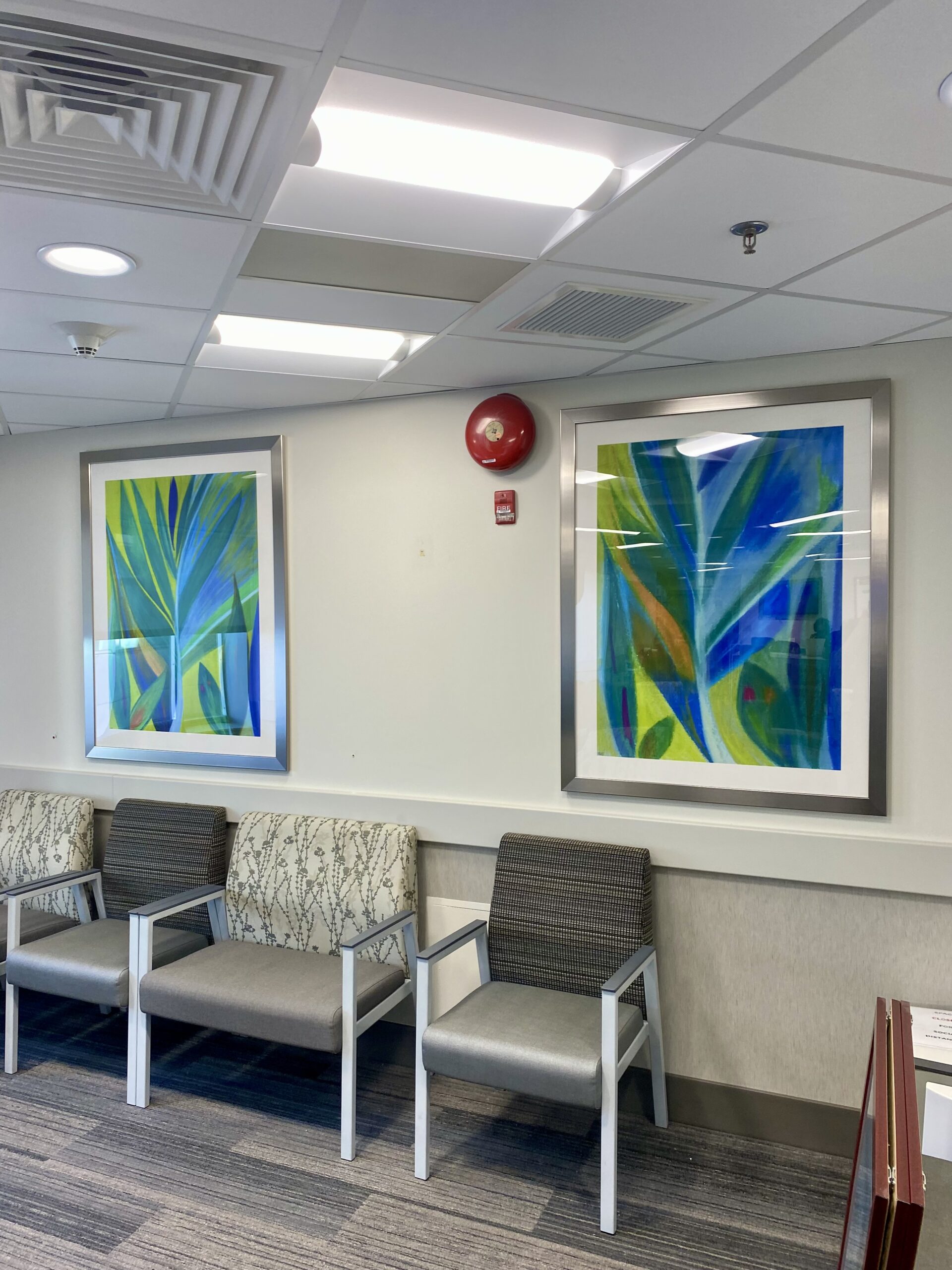
A doctor’s office or hospital visit can unsettle a child. The environment shapes that experience, and the walls play a part in it. Artwork in pediatric healthcare spaces can create a welcoming atmosphere and offer positive distraction, giving young patients something engaging to focus on while they wait or receive care. Design teams working in these environments treat art as a working part of the space, planned alongside everything else.
What Artwork in Pediatric Healthcare Spaces Can Do
Research on healthcare design points to the value of positive distraction, an approach that may redirect a patient’s attention away from stress, discomfort, or anxious thoughts. A colorful mural or a playful series of framed prints may give a nervous child somewhere to look during a long wait or an anxious moment. A more welcoming, family-centered setting can improve the experience for caregivers too, helping adults stay steadier for their kids.
Choosing Imagery That Connects with Children
Subject matter does a lot of work in these spaces. Animals, nature scenes, friendly characters, and imaginative illustrations can make pediatric environments more approachable. Local landscapes and community themes create a stronger sense of place, and recurring visual motifs can make a large facility easier to remember and navigate.
The collection should also account for a wide age range and different sensory needs. Younger children may respond to bold color and familiar shapes. Adolescent spaces often benefit from imagery that reads as less juvenile. Color and playful subject matter can be engaging, though the overall collection should avoid visual clutter or overstimulation. Calmer nature scenes and clear compositions give children and families another way to stay comfortable.
Framing Built for a Clinical Setting
Artwork in pediatric healthcare spaces calls for durable, easy-to-maintain framing. Shatter-resistant acrylic glazing is often a practical option in active areas because it weighs less than glass and reduces breakage risk. The final glazing and frame specification should align with the facility’s safety policies, cleaning products, and infection-prevention requirements.
Secure, tamper-resistant mounting matters in busy corridors and areas within a child’s reach. When artwork hangs within reach, streamlined profiles and hardware without exposed sharp edges support a safer environment.
Supporting Wayfinding and Comfort
Artwork can help children and families find their way through a facility. A consistent theme on one floor or a recurring character along a corridor gives young patients a landmark to follow, and that kind of visual cue makes a confusing building easier to navigate. Where practical, include artwork at heights children can comfortably see, coordinating placement with accessibility, clinical operations, and sightline needs.
Pediatric Healthcare Framing with The Chessler Company
The Chessler Company works with healthcare facilities and designers to select, frame, and install artwork built for pediatric environments. We help you choose durable materials, safe construction, and imagery that suits young patients. Reach out to talk through your space.